






Careers
A Day in a Veterinary Assistant’s Life
06 Feb 2026
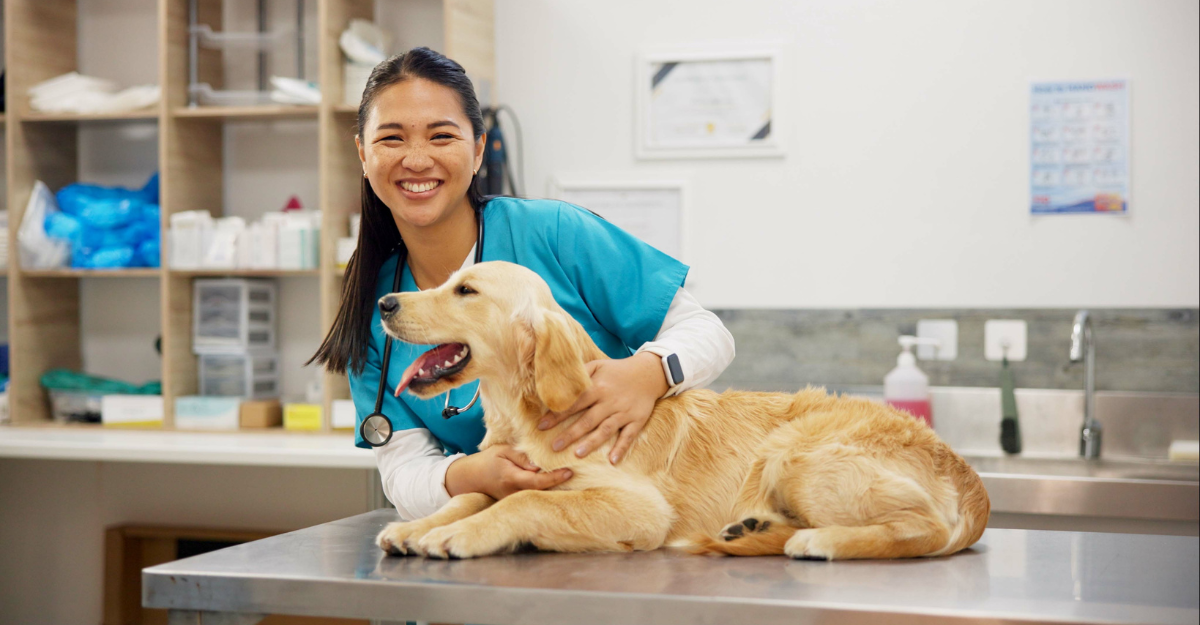
Table of contents
Subscribe to our newsletter
Thank you for subscribing to our newsletter! Stay tuned for updates.
The Heart Behind Every Veterinary Assistant: A Passion for Animal Care
People come to the veterinary field from many different paths. Some have always loved animals, while others discover their passion after caring for a pet of their own or exploring a new career direction. No matter where the journey begins, Veterinary Assistants share a common goal: helping animals stay healthy and supporting the professionals who care for them.
A Veterinary Assistant plays an essential role in animal healthcare by supporting veterinarians and technicians in clinics, hospitals, and shelters. They help create an environment where animals feel safe and well cared for, and where veterinary teams can focus on delivering the best medical treatment possible. Their compassion, organization, and attention to detail make them the heart of any animal care team.
What Makes Veterinary Assistants Essential in Animal Healthcare
Veterinary Assistants manage a wide variety of responsibilities each day. They prepare exam rooms, care for animals before and after treatment, maintain clean facilities, and assist veterinarians during exams and procedures. They are often the steady, reassuring presence that helps animals and owners alike feel calm and supported.
A Typical Day in a Vet Assistant’s Life
No two days look exactly the same for a Veterinary Assistant. The work is dynamic and often changes based on patient needs, clinic volume, emergencies, and team priorities. Instead of following a fixed routine, Veterinary Assistants adapt throughout the day, shifting between tasks as needed to support both animals and veterinary staff.
Supporting Daily Clinic Operations
Veterinary Assistants are deeply involved in keeping the clinic running smoothly. They prepare examination rooms, clean and sanitize equipment, restock supplies, and ensure workspaces meet health and safety standards. These responsibilities happen continuously throughout the day, not just at the beginning or end. A clean, organized environment helps veterinarians focus on patient care and helps animals feel safer and more comfortable.
Working Directly With Animals
A large part of a Veterinary Assistant’s role involves hands-on animal care. This can include safely handling pets during exams, monitoring animals before and after procedures, feeding patients, administering basic care, and observing behavior for signs of stress or discomfort. Some animals may be calm, while others may be nervous or in pain, requiring patience and gentle handling.
Veterinary Assistants must remain attentive and adaptable, as animal needs can change quickly. Comforting a frightened pet or helping an animal recover after treatment is just as important as completing clinical tasks.
Assisting During Exams and Procedures
Veterinary Assistants regularly support veterinarians during examinations, treatments, and minor procedures. They may help restrain animals safely, prepare tools and supplies, collect samples, or maintain a clean and organized workspace. During procedures, they play a key role in ensuring efficiency, safety, and comfort for both the patient and the veterinary team.
Clear communication and teamwork are essential here. Veterinary Assistants must be ready to respond quickly, follow instructions accurately, and anticipate what the veterinarian may need next.
Communicating With Pet Owners and the Veterinary Team
In addition to working with animals, Veterinary Assistants interact with pet owners and clinic staff throughout the day. They may help explain procedures, answer basic questions, relay information between the veterinarian and the client, and provide reassurance during stressful moments.
Strong communication skills are critical. Veterinary Assistants help build trust between the clinic and the community by offering kindness, clarity, and professionalism in every interaction.
Adapting to Change and Unexpected Situations
Veterinary clinics are fast-paced environments, and unexpected situations are common. Emergency walk-ins, sudden schedule changes, or animals requiring immediate attention can shift priorities at any moment. Veterinary Assistants must stay calm under pressure, adjust their tasks quickly, and support the team wherever they are needed most.
The ability to adjust to changing situations is a practical part of the role and develops naturally through daily experience in a veterinary setting.
Skills That Make a Great Vet Assistant
Technical Know-How: Handling Tools, Medications, and Record Systems
Technical knowledge is an important part of the job. Veterinary Assistants must understand animal anatomy, learn to handle medical instruments safely, and manage patient information accurately. They also prepare medications, assist with x-rays, and maintain clean, organized workspaces.
At Excel Career College, students build these skills through practical lessons that mirror real veterinary environments. The program provides hands-on training so graduates are confident and ready to step into a professional setting.
Soft Skills: Communication, Compassion, and Patience
Technical skills are important, but compassion and communication are what truly define a great Veterinary Assistant. Every day brings interactions with anxious pet owners and animals that may be scared or in pain. Having patience, empathy, and strong listening skills is crucial.
Soft skills like communication, patience, and empathy are important in any veterinary setting because you work with both animals and people. While these skills are often strengthened through real clinic experience, having solid technical training can help you feel more prepared and confident as you step into the workplace.
Work Opportunities for Veterinary Assistant Graduates?
Training as a Veterinary Assistant can lead to employment in a variety of entry-level animal care roles. Job titles and responsibilities may vary depending on the employer and setting, but graduates often find opportunities across clinics, shelters, and other animal care environments.
Common job titles associated with Veterinary Assistant training include:
• Animal Care Worker
• Veterinary Assistant
• Kennel Attendant / Kennel Boarder
• Veterinary Attendant
• Animal Attendant
These roles are found in settings such as veterinary clinics and hospitals, animal shelters, boarding facilities, rescue organizations, and other animal care operations. Availability of positions can vary by region and employer needs, but these job titles represent typical entry points into the animal care field.
Many individuals use these roles to gain workplace experience, become familiar with professional veterinary environments, and build a foundation in animal care.
How Excel Career College Prepares Students for Real-World Veterinary Work
Preparing for work in a veterinary setting requires a strong understanding of daily responsibilities, workplace expectations, and foundational animal care knowledge. Excel Career College’s Veterinary Assistant Program is structured to give students that foundation before they enter a professional environment.
Rather than focusing on simulation alone, the program combines classroom learning with a required practicum experience. This approach allows students to first build knowledge in an academic setting and then apply what they have learned in a real veterinary workplace.
Learning the Foundations Before Entering the Workplace
During the academic portion of the program, students focus on core concepts related to veterinary assisting. This includes topics such as animal anatomy, veterinary medical terminology, pharmacology, nutrition, safety procedures, basic clinical support tasks, and more. Understanding these fundamentals helps students follow instructions, recognize common procedures, and understand the flow of a veterinary clinic.
This preparation is important because it gives students context before they begin working directly with animals and veterinary teams during their practicum placement.
Practicum Experience in a Real Veterinary Setting
Hands-on experience is introduced through the practicum portion of the program. During this placement, students observe and assist in an actual veterinary environment under supervision. This is where they gain exposure to day-to-day clinic operations, patient care routines, and workplace expectations.
The practicum allows students to see how veterinary teams communicate, manage patient flow, and respond to changing situations. It also helps students become familiar with the pace and responsibilities of the role, something that cannot be fully learned through coursework alone.
Comprehensive Curriculum and Expert Instructors
Excel Career College offers a structured curriculum designed to prepare students for entry-level Veterinary Assistant roles. Courses are taught by instructors with experience in the veterinary field, providing practical insight into how clinics operate and what employers expect from new assistants.
Instruction focuses on accuracy, safety, and professionalism. Students learn how to follow protocols, understand their scope of responsibility, and support veterinary teams effectively. This combination of instruction and real-world exposure helps students enter their practicum with a clearer understanding of their role.
Preparing for Entry-Level Employment
By the time students complete both the coursework and practicum components, they have experienced the expectations of a veterinary workplace firsthand. They understand common tasks, clinic routines, and the importance of teamwork and attention to detail.
This structure helps students transition into entry-level Veterinary Assistant positions with realistic expectations and a basic level of workplace familiarity, which many employers value when hiring new staff.
Interested in taking the next step?
Explore training that prepares you to work in veterinary and animal care settings.
Frequently Asked Questions
What does a veterinary assistant do on a daily basis?
A veterinary assistant supports veterinarians by preparing exam rooms, handling animals during procedures, cleaning equipment, and communicating with pet owners. Their day is dynamic and involves a mix of animal care and clinical tasks.
How is a veterinary assistant different from a veterinary technician?
Veterinary assistants focus on basic care, handling, and support tasks, while veterinary technicians perform more advanced medical procedures and diagnostics.
What skills are essential for veterinary assistants?
Key skills include compassion, patience, strong communication, animal handling, basic medical knowledge, and the ability to work in fast-paced environments.
Where do veterinary assistants typically work?
Veterinary assistants work in animal hospitals, veterinary clinics, animal shelters, boarding facilities, and rescue organizations.
How do veterinary assistants support pet owners?
Veterinary assistants help by answering basic questions, explaining care instructions, and offering emotional reassurance during stressful moments, making them a vital bridge between veterinarians and clients.