





Careers
What Does a Veterinary Assistant Do? A Beginner’s Guide
05 Dec 2025
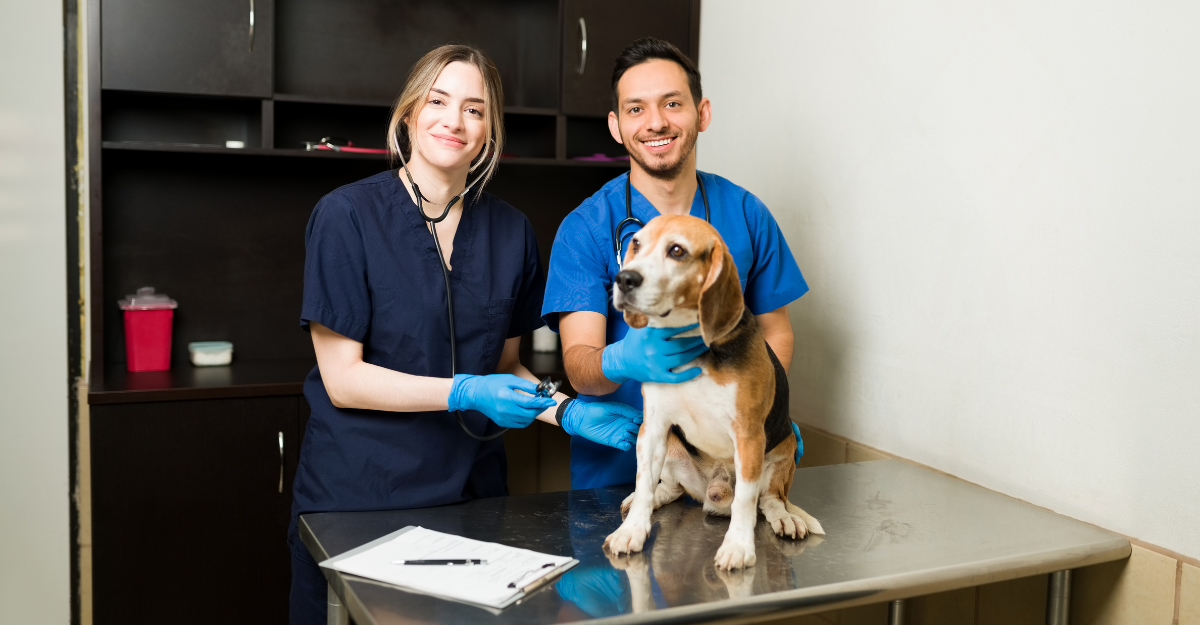
Table of contents
Subscribe to our newsletter
Thank you for subscribing to our newsletter! Stay tuned for updates.
Why a Veterinary Assistant Career Could Be Perfect for You
If you love animals and enjoy helping people, a career as a veterinary assistant could be the perfect path for you. Veterinary assistants are vital members of animal care teams, working closely with veterinarians and technicians to ensure pets receive the attention, comfort, and care they need.
This beginner’s guide will walk you through what a veterinary assistant does, the skills that make them successful, where they can work, and how you can get started with training through the Veterinary Assistant Diploma at Excel Career College.
Understanding the Role of a Veterinary Assistant
A veterinary assistant supports the daily operations of veterinary clinics, hospitals, and other animal care facilities. They work under the supervision of veterinarians and veterinary technicians, providing hands-on care to animals while also assisting clients and maintaining clinic organization.
It’s important to note that a veterinary assistant is different from a veterinary technician or veterinarian. While veterinarians diagnose, treat, and perform surgeries, and technicians carry out more advanced medical tasks, veterinary assistants focus on direct animal care, client communication, and essential support that keeps everything running smoothly.
Key Responsibilities of a Veterinary Assistant
Veterinary assistants wear many hats. Their responsibilities often combine hands-on animal care, assistance during procedures, and administrative tasks. Here are some of the key areas they cover:
Assisting with Animal Care
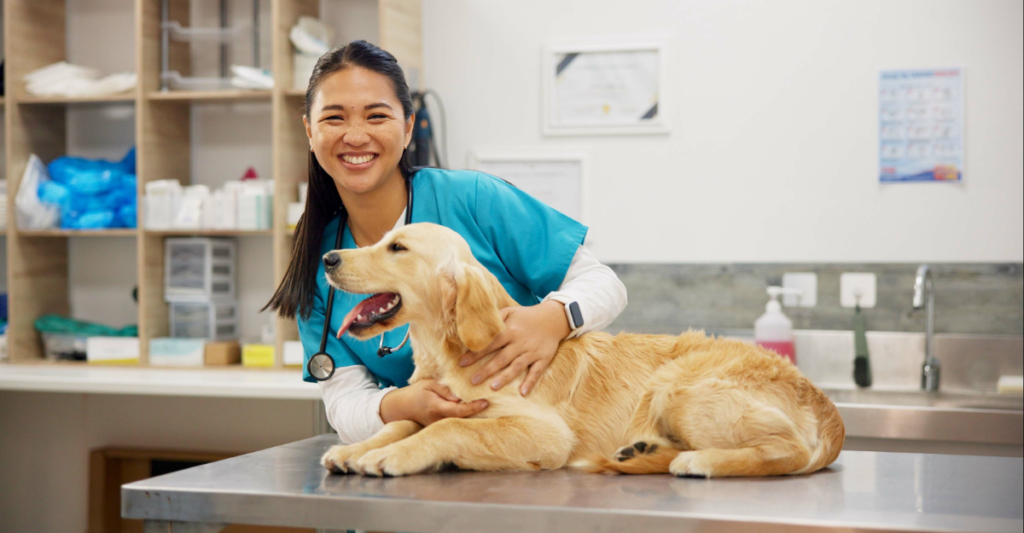
Veterinary assistants provide basic care to animals, including feeding, grooming, bathing, and exercising them. They also comfort pets who may feel nervous or stressed in unfamiliar environments, making visits less overwhelming for animals and their owners.
Supporting Veterinary Procedures
When veterinarians perform exams or minor procedures, assistants are there to help. This includes holding or restraining animals safely, preparing exam rooms, cleaning equipment, and ensuring that tools are sterilized. Their role enables veterinarians and technicians to focus more on medical care.
Administrative and Client Support
Veterinary assistants also work on the client-facing side of the clinic. They may schedule appointments, update medical records, provide explanations of aftercare instructions, and help pet owners feel supported and informed.
This blend of animal care and administrative support makes veterinary assistants indispensable in animal health settings.
The Importance of Veterinary Assistants in Animal Care
Veterinary assistants play a crucial role in supporting both the medical team and the animals in their care. By handling everyday tasks such as feeding, grooming, and preparing exam rooms, they help clinics and hospitals run smoothly.
Their presence also makes a difference for animals and their owners. Veterinary assistants provide comfort to pets during visits and offer guidance to clients, creating a more positive experience overall. With their support, veterinarians and technicians can focus on complex procedures and medical decision-making, knowing that the rest of the team is providing reliable care.
Skills and Qualities That Make a Great Veterinary Assistant
Being a veterinary assistant requires more than just a love of animals. The role combines practical skills with personal qualities that help someone succeed in a fast-paced environment where each day brings something new.
Key skills and traits include:
Compassion – Caring deeply for animals and their well-being.
Patience – Staying calm when animals are frightened or uncooperative.
Communication – Explaining instructions clearly to clients and working well with team members.
Teamwork – Collaborating closely with veterinarians, technicians, and other staff.
Attention to detail – Keeping accurate records and ensuring animals receive proper care.
Reliability – Being dependable, consistent, and committed to quality animal care.
These qualities enable veterinary assistants to handle both the rewarding and demanding aspects of the job with confidence.
Where Veterinary Assistants Work
One of the exciting parts of becoming a veterinary assistant is the variety of career opportunities available. Graduates of the Veterinary Assistant Diploma at Excel Career College are prepared for roles such as:
Animal Care Worker
Providing direct care for animals in shelters, rescue centers, or boarding facilities, ensuring they are fed, exercised, and comfortable.
Veterinary Assistant
Supporting veterinarians in clinics or hospitals by helping with procedures, animal care, and client communication.
Kennel Boarders
Working in kennels or boarding facilities to maintain safe, clean environments for animals while their owners are away.
Veterinary Attendant
Assisting with day-to-day clinic operations, caring for animals, and supporting staff with both medical and administrative tasks.
Animal Attendant
Offering hands-on care in a variety of settings, from shelters to animal hospitals, ensuring animals remain healthy and comfortable.
Each of these paths allows you to work closely with animals while building valuable skills and contributing to the well-being of pets.
How Training Prepares You for This Career
While a love of animals is the starting point, training gives you the knowledge and confidence to step into the role of a veterinary assistant. The Veterinary Assistant Diploma at Excel Career College introduces students to key areas, including animal nutrition, behavior and restraint, and animal care and nursing. You’ll also gain experience in important clinical skills like surgical assisting, diagnostic imaging, and laboratory procedures.
Alongside classroom learning, the program includes a practicum placement, giving you the chance to apply your skills in a real veterinary setting. By the time you graduate, you’ll be prepared to support veterinarians, care for animals, and work effectively as part of an animal health team.
Start Your Veterinary Assistant Journey
If you’re ready to turn your love of animals into a rewarding career, the Veterinary Assistant Diploma at Excel Career College is the perfect place to begin.
Frequently Asked Questions
What does a veterinary assistant do daily?
They care for animals, assist veterinarians during exams, prepare and clean equipment, and support clients with information and scheduling.
How is a veterinary assistant different from a veterinary technician?
Technicians carry out advanced medical tasks, while assistants focus on basic animal care, client support, and clinic operations.
Do I need prior experience with animals to become a veterinary assistant?
No. Training programs teach you the skills needed to care for animals and support veterinary teams effectively.
Where can a veterinary assistant work?
Veterinary assistants can work in clinics, animal hospitals, shelters, boarding facilities, or research settings.
What qualities make someone a good fit for this career?
Compassion, patience, teamwork, and a genuine love for animals are key qualities for success.
How does Excel Career College’s Veterinary Assistant Diploma prepare me for this field?
The program combines classroom learning with hands-on training, ensuring you graduate ready to start a career in animal care.